


Ask the Experts24/7 Online Support
Ask the Experts24/7 Online Support
 August 18, 2026 12:21PM
 0 Comments | Post a Comment
LOCO Posted on [ Aug 18, 2026 12:21PM ]
Container Dwell Time: Why Cargo Gets Delayed at Ports and How to Reduce It
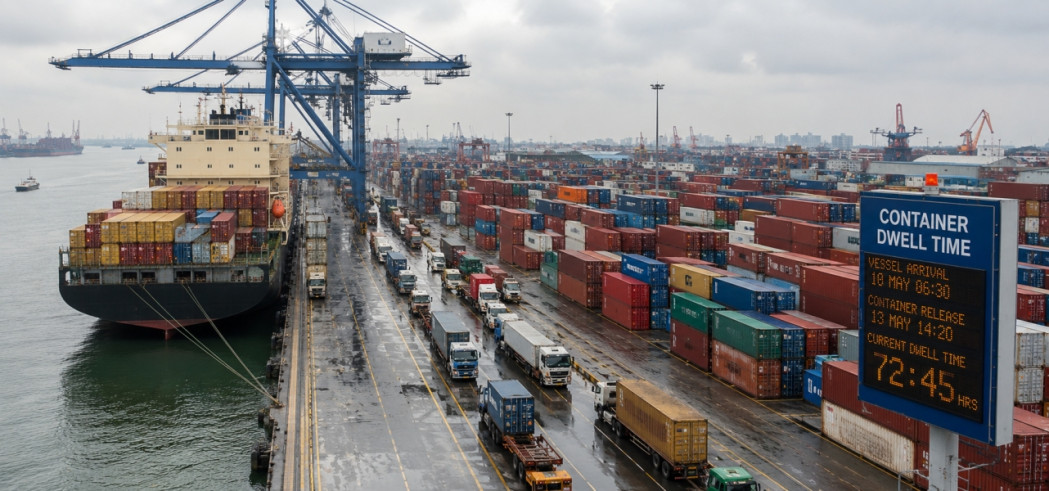
Ports are critical gateways connecting businesses to global markets. Every day, thousands of containers move through terminals carrying raw materials, components, finished products, and consumer goods. However, when containers remain inside a port for longer than necessary, the resulting container dwell time can increase logistics costs and disrupt supply chains.
For importers, exporters, shipping lines, freight forwarders, and logistics providers, reducing unnecessary dwell time is essential for improving cargo flow and port efficiency.
What Is Container Dwell Time?
Container dwell time refers to the amount of time a container remains within a port or terminal before it is collected, loaded onto another mode of transport, or otherwise processed. For an import container, the clock generally covers the period between its discharge from a vessel and its departure from the terminal. The shorter this period, the faster cargo can move through the supply chain.
Why Do Containers Get Delayed?
Several factors can contribute to excessive container dwell time.
1. Customs and Documentation Delays
Incomplete documentation, inspections, classification issues, or delays in customs procedures can prevent cargo from being released.
2. Port Congestion
High cargo volumes, limited terminal capacity, equipment constraints, or operational disruptions can slow container movement.
3. Delayed Transportation
Even after cargo is cleared, containers may remain at the terminal if trucks or rail services are unavailable when required.
4. Importer Coordination
Poor coordination between importers, freight forwarders, customs agents, transporters, and terminals can create unnecessary waiting periods.
5. Cargo Inspection
Containers selected for physical examination or additional checks may require more processing time.
Impact on Supply Chain Costs
Long container dwell times can create several financial and operational consequences. Businesses may face additional demurrage and storage charges, while delays can increase inventory carrying costs and affect production schedules.
How Can Businesses Reduce Container Dwell Time?
Improve Documentation Before Arrival
Importers should prepare customs and shipping documentation well in advance. Accurate invoices, permits, classifications, and other required documents can help reduce avoidable clearance delays.
Use Real-Time Shipment Visibility
Digital tracking platforms can provide information about vessel arrival, container status, customs clearance, and pickup schedules. This allows logistics teams to act before problems become serious.
Coordinate Transport Early
Trucks and rail services should be planned according to expected cargo release times. Better coordination can reduce the gap between container clearance and terminal pickup.
Monitor Dwell-Time KPIs
Companies should regularly track average dwell time, clearance time, truck waiting time, and container pickup performance. Identifying recurring bottlenecks can help businesses improve their processes.
Use Port Community and Digital Platforms
Digital systems that connect shipping lines, terminals, customs authorities, freight forwarders, transporters, and cargo owners can improve information sharing and reduce manual coordination.
Role of Technology
Technology is becoming increasingly important in improving port efficiency. AI, IoT sensors, predictive analytics, automated terminal systems, and digital documentation can provide greater visibility across cargo movements.
The Future of Container Management
Future ports are likely to become increasingly data-driven. Real-time cargo visibility, automated equipment, predictive analytics, digital customs processes, and better integration between road, rail, and maritime systems can improve container flow.
Conclusion
Container dwell time is an important indicator of port and supply chain efficiency. Delays caused by documentation, customs, congestion, transportation shortages, and poor coordination can increase costs and reduce supply chain reliability. Businesses can reduce dwell time by preparing documentation early, coordinating transport, using real-time visibility tools, monitoring performance KPIs, and improving collaboration with logistics partners.
Customer Reviews (0 )
No record(s) Found !
 Categories