


Ask the Experts24/7 Online Support
Ask the Experts24/7 Online Support
 August 10, 2026 14:46PM
 0 Comments | Post a Comment
LOCO Posted on [ Aug 10, 2026 14:46PM ]
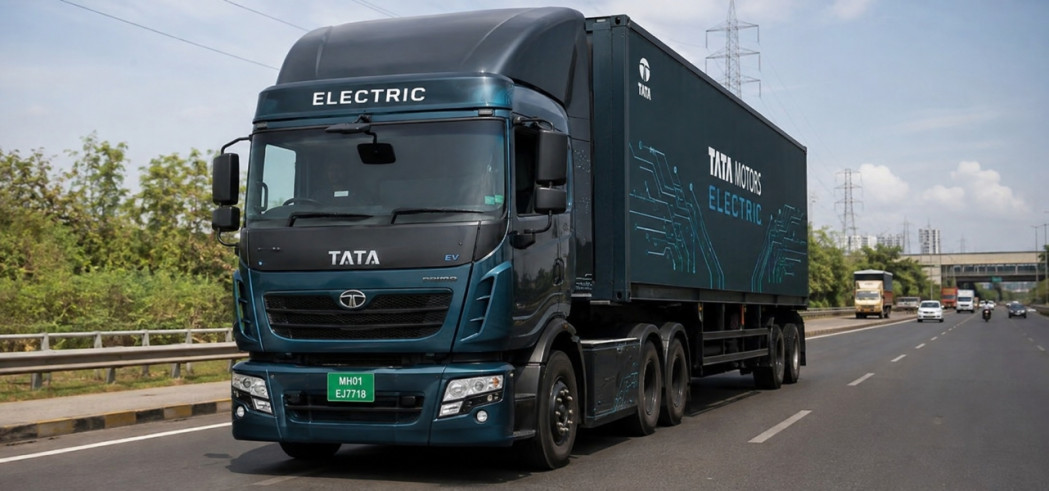
Electric Trucks in India: Opportunities and Challenges
India's logistics and transportation industry is entering a major transition as businesses look for cleaner, more efficient, and cost-effective freight solutions. Electric trucks in India are emerging as an important part of this transformation. With growing concerns about fuel costs, carbon emissions, and sustainable transportation, electric commercial vehicles could significantly change the country's trucking industry.
Road freight is essential to India's economy, connecting manufacturers, warehouses, ports, distributors, retailers, and consumers. As freight demand increases, the adoption of electric trucks can help create a more sustainable and technology-driven logistics ecosystem.
Why Electric Trucks Matter
Traditional diesel trucks remain dominant in India's freight sector, but they are exposed to fuel price fluctuations and contribute significantly to transportation emissions. Electric trucks use electric powertrains that can offer lower energy and maintenance costs under suitable operating conditions.
Electric trucks are particularly promising for short-haul, regional, urban, and predictable freight routes, where vehicles can return to a depot for charging.
Key Benefits of Electric Trucks
Lower Operating Costs
Electric powertrains have fewer moving components than conventional diesel engines. This can reduce maintenance requirements, while electricity costs may be lower than diesel costs depending on route, charging infrastructure, and energy tariffs.
Reduced Emissions
Electric trucks produce no tailpipe emissions during operation. When powered by increasingly cleaner electricity, they can contribute to lower overall transportation emissions.
Better Urban Logistics
Electric trucks generate less noise than conventional trucks, making them suitable for urban freight operations, including scheduled deliveries during permitted hours.
Technology and Fleet Visibility
Electric commercial vehicles can be integrated with connected fleet-management systems. Operators can monitor battery levels, energy consumption, vehicle location, route performance, and charging requirements in real time.
Challenges Facing Electric Truck Adoption
High Initial Cost
The upfront purchase price of an electric truck can be higher than a comparable diesel vehicle. Businesses therefore need to evaluate total cost of ownership rather than purchase price alone.
Charging Infrastructure
Large electric trucks require suitable charging infrastructure and adequate grid capacity. Long-haul operators may need strategically located charging stations along major freight corridors.
Range and Payload
Battery weight, route conditions, payload requirements, weather, and driving patterns can affect vehicle range. These factors must be considered when selecting an electric truck for a particular logistics operation.
Battery Technology
Battery cost, charging time, durability, recycling, and performance are important considerations for fleet operators. Continued improvements in battery technology will be critical for wider adoption.
Opportunities for Indian Logistics
India's growing e-commerce, manufacturing, FMCG, and urban distribution sectors create significant opportunities for electric freight vehicles. Logistics companies can begin electrification with predictable routes where vehicles return to a central depot.
Fleet operators can also use telematics and route optimization to maximize vehicle utilization and charging efficiency.
Role of Government and Infrastructure
Government policies supporting electric mobility, charging infrastructure, cleaner transportation, and domestic manufacturing can accelerate the transition. At the same time, greater coordination among vehicle manufacturers, logistics companies, energy providers, charging operators, and policymakers will be necessary.
Developing charging infrastructure along important freight corridors will be particularly important for long-distance electric trucking.
Future of Electric Trucking in India
The future of electric trucks in India will depend on improvements in battery technology, charging infrastructure, vehicle affordability, financing options, and fleet economics. Battery swapping and high-power charging could also become important solutions for specific commercial applications.
Businesses are likely to adopt electric trucks gradually, beginning with routes where charging requirements and operating patterns are easier to manage.
Conclusion
Electric trucks have the potential to transform India's road freight industry by reducing emissions, improving energy efficiency, and lowering operating costs in suitable applications. However, challenges related to upfront investment, charging infrastructure, range, payload, and battery technology must be addressed. For logistics companies, the transition should begin with careful route analysis, total-cost-of-ownership calculations, charging planning, and fleet utilization studies.
Customer Reviews (0 )
No record(s) Found !
 Categories