


Ask the Experts24/7 Online Support
Ask the Experts24/7 Online Support
 July 25, 2026 16:42PM
 0 Comments | Post a Comment
LOCO Posted on [ Jul 25, 2026 16:42PM ]
Future of Container Shipping: Trends Shaping Global Maritime Trade
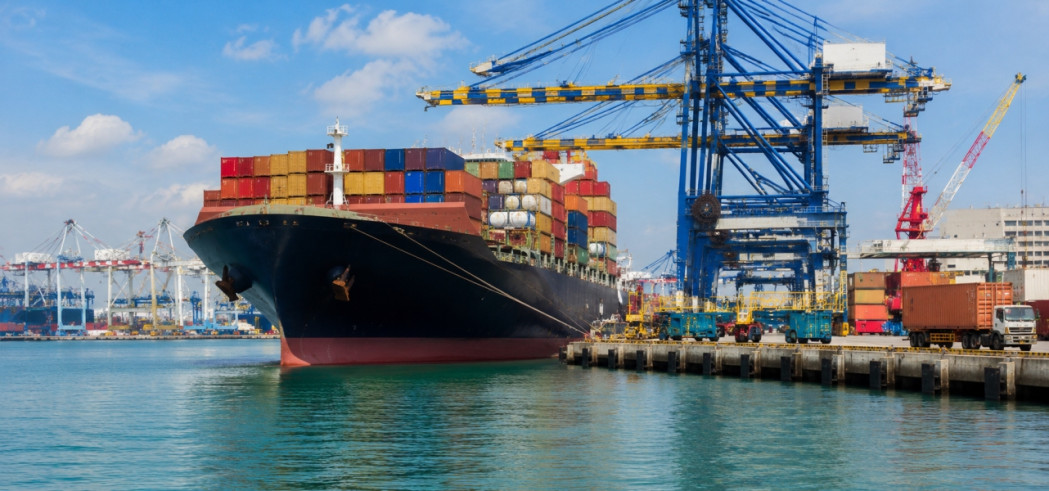
Container shipping is the backbone of global trade, transporting nearly 90% of internationally traded goods. From electronics and automobiles to food products and raw materials, containerized shipping enables efficient, secure, and cost-effective transportation across continents. As global supply chains evolve, the container shipping industry is embracing digital technologies, sustainability initiatives, and smarter operations to meet growing trade demands.
Why Container Shipping Matters
Containerization has transformed international trade by standardizing cargo transportation. It reduces handling time, minimizes cargo damage, lowers transportation costs, and enables seamless movement between ships, trucks, and railways through multimodal logistics.
For countries like India, efficient container shipping strengthens exports, supports manufacturing, improves supply chain efficiency, and enhances global competitiveness.
Emerging Trends
Digital Shipping
Shipping companies are adopting digital platforms to streamline booking, documentation, cargo tracking, and customer communication. Electronic Bills of Lading (eBL), cloud-based logistics platforms, and digital freight management improve operational efficiency while reducing paperwork.
Smart Containers
IoT-enabled smart containers provide real-time information on cargo location, temperature, humidity, and security. This technology is especially valuable for pharmaceuticals, food products, and other temperature-sensitive shipments.
Artificial Intelligence
AI is helping shipping companies optimize vessel routes, forecast demand, improve fleet utilization, and predict maintenance requirements. Data-driven decision-making reduces fuel consumption and improves schedule reliability.
Port Automation
Modern ports are investing in automated cranes, robotic container handling systems, AI-powered traffic management, and digital terminal operations. Automation speeds up cargo handling while reducing turnaround time.
Sustainability in Shipping
Environmental sustainability has become a major priority for the maritime industry. Shipping companies are investing in cleaner technologies to reduce greenhouse gas emissions and comply with international environmental regulations.
Key initiatives include:
These measures help improve operational efficiency while supporting global climate goals.
India's Growing Role
India is strengthening its position in global container shipping through investments in modern ports, dedicated freight corridors, multimodal logistics parks, and port connectivity projects. Government initiatives such as Sagarmala and the National Logistics Policy are improving maritime infrastructure and supporting international trade.
As manufacturing and exports continue to expand, India's container traffic is expected to witness steady long-term growth.
Challenges
Despite significant progress, the industry faces several challenges:
Addressing these issues requires greater collaboration between shipping lines, ports, logistics providers, and governments.
Opportunities
The future offers significant opportunities in:
Companies investing in technology and sustainable shipping practices will be better positioned for long-term growth.
Future Outlook
The next decade will see container shipping become increasingly digital, automated, and environmentally sustainable. AI-powered operations, smart containers, autonomous technologies, blockchain documentation, and cleaner fuels will reshape global maritime logistics.
As trade volumes continue to grow, shipping companies that embrace innovation, digital transformation, and sustainability will remain competitive in an evolving global market.
Conclusion
Container shipping continues to be the foundation of international trade and global supply chains. The industry's future will be shaped by digital innovation, smart port infrastructure, automation, AI, and sustainable shipping practices. For India and the global logistics sector, these developments will improve efficiency, strengthen supply chain resilience, and support long-term economic growth.
Businesses involved in shipping, exports, logistics, and international trade should embrace these emerging trends to remain competitive and capitalize on new opportunities in the rapidly evolving maritime industry.
Customer Reviews (0 )
No record(s) Found !
 Categories