


Ask the Experts24/7 Online Support
Ask the Experts24/7 Online Support
 July 23, 2026 12:38PM
 0 Comments | Post a Comment

LOCO Posted on [ Jul 23, 2026 12:38PM ]
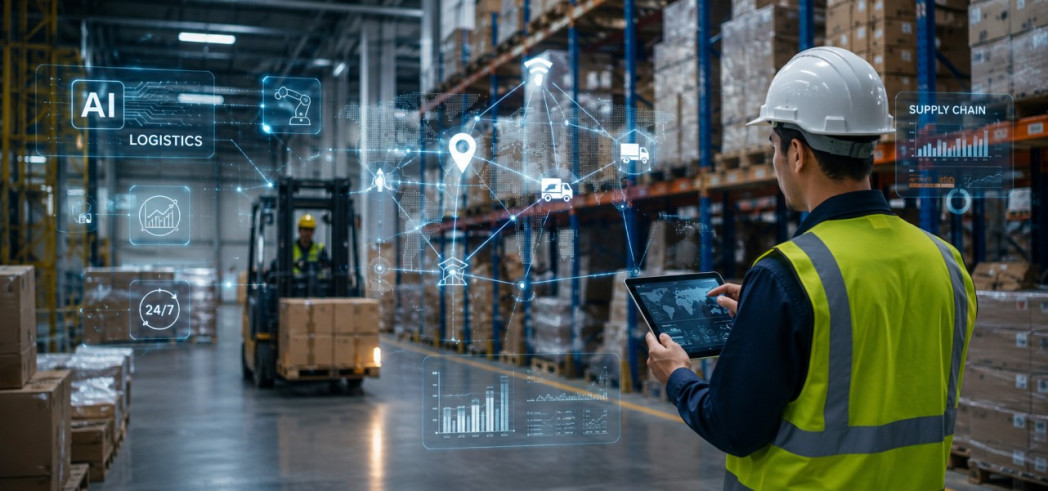
How AI Is Transforming Logistics and Supply Chain Operations
Artificial Intelligence (AI) is reshaping the logistics and supply chain industry by making operations smarter, faster, and more efficient. As businesses face increasing customer expectations, global trade complexities, and rising transportation costs, AI has become a key technology for optimizing logistics operations. From warehouse automation to predictive analytics and intelligent route planning, AI is helping organizations reduce costs, improve productivity, and enhance customer satisfaction.
What is AI in Logistics?
AI refers to computer systems that analyze large volumes of data, identify patterns, and make intelligent decisions with minimal human intervention. In logistics, AI works alongside Machine Learning (ML), the Internet of Things (IoT), cloud computing, and big data analytics to improve operational efficiency and supply chain visibility.
Key Applications of AI
Demand Forecasting
AI analyzes historical sales, market trends, weather conditions, and customer behavior to predict future demand. Accurate forecasting helps businesses optimize inventory, reduce stock shortages, and minimize excess inventory.
Intelligent Route Optimization
AI-powered routing systems evaluate traffic conditions, fuel costs, delivery schedules, and road closures to identify the most efficient delivery routes. This reduces transportation costs, improves fleet utilization, and enables faster deliveries.
Smart Warehousing
Modern warehouses use AI-driven robots, automated guided vehicles (AGVs), and Warehouse Management Systems (WMS) to automate picking, packing, sorting, and inventory management. Automation increases productivity while reducing manual errors.
Predictive Maintenance
AI continuously monitors vehicle health using IoT sensors. By detecting potential failures before they occur, businesses can reduce downtime, lower maintenance costs, and improve fleet reliability.
Inventory Optimization
AI helps businesses maintain the right inventory levels by analyzing demand patterns and stock movement. This improves order fulfillment while reducing storage costs.
AI Enhancing Supply Chain Visibility
One of AI's biggest advantages is end-to-end visibility. By integrating data from suppliers, warehouses, transportation systems, and customers, AI provides real-time insights into shipment status, inventory levels, and operational performance. Companies can quickly identify disruptions, respond proactively, and improve supply chain resilience.
Benefits for Businesses
AI delivers several measurable business benefits:
Challenges of AI Adoption
Despite its advantages, businesses face challenges when implementing AI:
Overcoming these challenges requires strategic planning, technology investment, and workforce development.
Future of AI in Logistics
The future of logistics will be driven by AI-powered automation, autonomous vehicles, digital twins, robotics, drones, and intelligent supply chain control towers. These technologies will improve decision-making, increase operational efficiency, and create more resilient supply chains. As digital transformation accelerates, AI will become a standard component of modern logistics operations.
Conclusion
Artificial Intelligence is transforming logistics and supply chain management by improving efficiency, reducing costs, and enabling data-driven decision-making. From demand forecasting and route optimization to warehouse automation and predictive maintenance, AI is helping businesses build smarter and more resilient supply chains.
Customer Reviews (0 )
No record(s) Found !
 Categories