


Ask the Experts24/7 Online Support
Ask the Experts24/7 Online Support
 July 25, 2026 16:32PM
 0 Comments | Post a Comment
LOCO Posted on [ Jul 25, 2026 16:32PM ]
How E-Commerce Is Transforming India's Logistics Industry
India's e-commerce industry has experienced remarkable growth over the past decade, fundamentally changing the way consumers shop and businesses operate. With millions of online orders placed every day, logistics has become the backbone of the digital economy. From inventory management and warehousing to transportation and last-mile delivery, every stage of the supply chain is evolving to meet rising customer expectations for faster, more reliable, and cost-effective deliveries.
The Rise of E-Commerce Logistics
The success of online retail depends on an efficient logistics network. Unlike traditional retail, e-commerce requires seamless coordination between sellers, warehouses, transportation providers, and delivery partners to ensure products reach customers quickly and safely.
The increasing demand for same-day and next-day delivery has encouraged logistics companies to invest in modern fulfillment centres, advanced tracking systems, and intelligent delivery networks.
Key Drivers of Transformation
Smart Warehousing
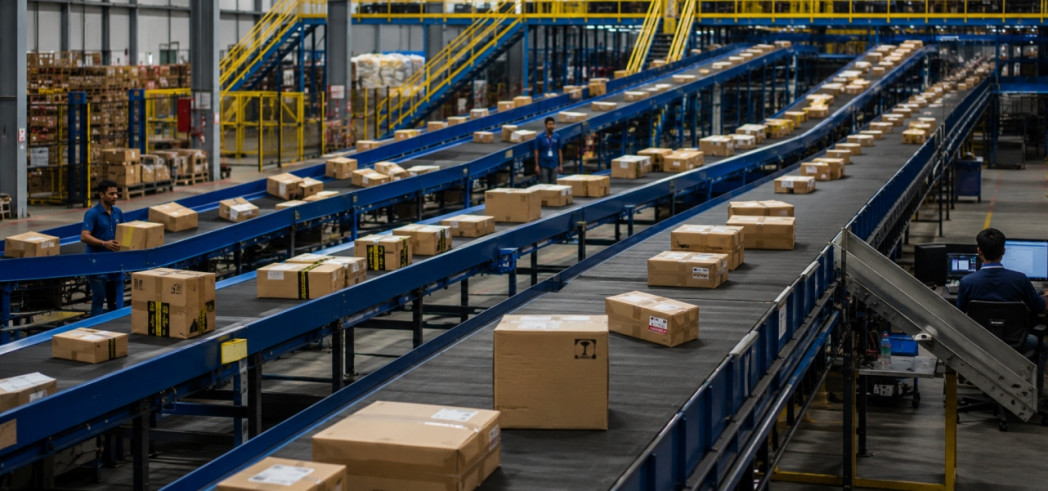
Modern warehouses are becoming highly automated with the help of Warehouse Management Systems (WMS), barcode scanning, robotics, and AI-powered inventory management. These technologies improve inventory accuracy, speed up order processing, and reduce operational costs.
Faster Last-Mile Delivery
Last-mile delivery is one of the most critical stages in e-commerce logistics. Companies are using route optimisation software, GPS tracking, and micro-fulfilment centres to reduce delivery times and improve customer satisfaction.
Artificial Intelligence
AI is helping logistics providers forecast demand, optimise delivery routes, predict inventory requirements, and automate customer support. Real-time analytics also enables businesses to make faster and more informed operational decisions.
Digital Tracking
Customers now expect complete visibility of their orders. Real-time shipment tracking, automated delivery notifications, and digital proof of delivery have become standard features in modern logistics operations.
Role of Technology
Technology has become the driving force behind e-commerce logistics. Cloud-based logistics platforms integrate warehouses, transportation, suppliers, and customers into a single digital ecosystem.
Key technologies include:
These innovations improve operational efficiency while reducing costs and delivery delays.
Infrastructure Development
Government initiatives such as the National Logistics Policy and PM Gati Shakti are strengthening India's logistics infrastructure through better highways, dedicated freight corridors, multimodal logistics parks, airports, and ports.
Challenges
Despite rapid growth, the sector faces several challenges:
Addressing these challenges requires continued investment in technology, infrastructure, and workforce development.
Opportunities for Businesses
The rapid expansion of e-commerce is creating significant opportunities in:
Businesses adopting digital logistics strategies can improve efficiency, reduce operational costs, and enhance customer experience.
Future Outlook
The future of India's e-commerce logistics will be driven by automation, AI, electric delivery vehicles, drone-based deliveries, robotics, and smart warehouses. Companies will increasingly focus on sustainability by adopting green transportation, eco-friendly packaging, and energy-efficient warehouses.
Conclusion
E-commerce has transformed India's logistics industry by creating demand for faster deliveries, smarter warehouses, advanced technologies, and efficient supply chains. The integration of AI, automation, digital tracking, and modern infrastructure is redefining how goods move from sellers to consumers.
India's e-commerce logistics sector is well positioned for sustained growth. Businesses that embrace digital transformation and customer-centric logistics strategies will play a leading role in shaping the future of India's supply chain ecosystem.
Customer Reviews (0 )
No record(s) Found !
 Categories