


Ask the Experts24/7 Online Support
Ask the Experts24/7 Online Support
 August 04, 2026 12:48PM
 0 Comments | Post a Comment
LOCO Posted on [ Aug 04, 2026 12:48PM ]
How Global Shipping Routes Are Evolving: Trends Shaping International Trade
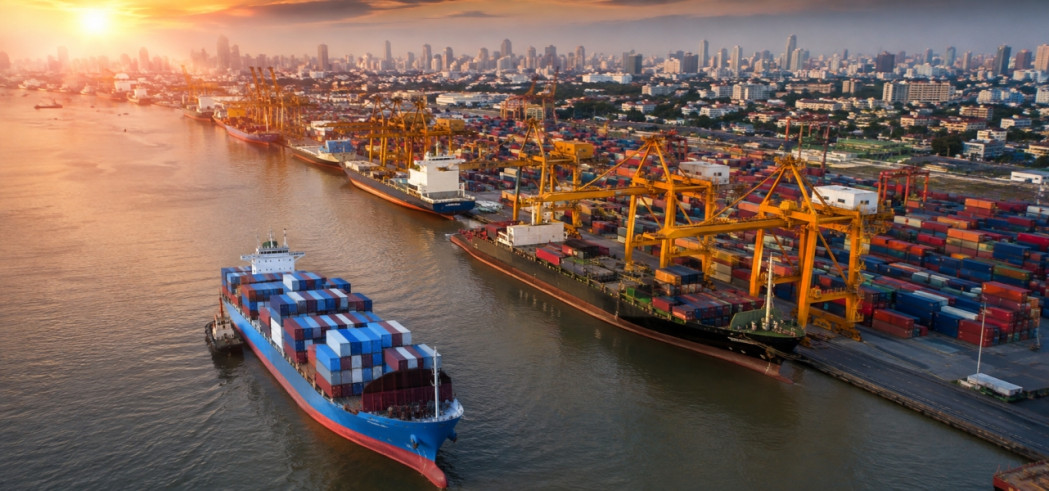
Global shipping routes are the lifelines of international trade, carrying nearly 90% of the world's goods by sea. These routes connect manufacturers, exporters, importers, and consumers across continents, making maritime transportation the backbone of the global economy. However, geopolitical developments, climate change, infrastructure investments, and digital transformation are rapidly reshaping traditional shipping networks.
As global trade patterns evolve, shipping companies and logistics providers are adapting to new trade corridors, smarter technologies, and changing customer demands to ensure efficient and resilient supply chains.
Why Shipping Routes Matter
Shipping routes determine how goods move between countries, affecting transportation costs, transit times, and supply chain reliability. Efficient maritime routes help businesses reduce logistics expenses, improve delivery performance, and strengthen international trade.
For export-oriented economies like India, well-connected shipping routes play a vital role in expanding global market access and supporting economic growth.
Key Factors Driving Change
Geopolitical Developments
Changing geopolitical conditions are influencing international trade flows. Businesses are diversifying sourcing locations and transportation networks to reduce dependency on a single region. As a result, shipping companies are redesigning routes to improve flexibility and minimize supply chain risks.
Growth of Emerging Trade Corridors
Rapid industrial growth in Asia, the Middle East, and Africa is creating new maritime trade opportunities. Investments in modern ports, logistics parks, and multimodal transport corridors are improving regional connectivity and supporting global commerce.
Port Modernization
Major ports worldwide are investing in automation, AI-powered operations, digital documentation, and smart cargo handling systems. These improvements reduce vessel turnaround time, improve operational efficiency, and enhance cargo visibility across the supply chain.
Climate Change and Sustainability
Extreme weather conditions and stricter environmental regulations are encouraging shipping companies to optimize routes, improve fuel efficiency, and adopt cleaner energy solutions. Sustainable shipping is becoming a key priority for the maritime industry.
Digital Transformation
Technology is revolutionizing global shipping through:
These technologies improve route planning, cargo tracking, operational transparency, and customer communication while reducing paperwork and delays.
India's Growing Maritime Role
India is strengthening its position in global shipping through initiatives such as Sagarmala, the National Logistics Policy, dedicated freight corridors, and improved port connectivity. Modern container terminals, digital port infrastructure, and multimodal logistics parks are enhancing India's competitiveness in international trade.
As manufacturing, exports, and container traffic continue to grow, India is emerging as an important logistics and maritime hub.
Challenges
Despite significant progress, the shipping industry continues to face several challenges:
Addressing these challenges requires stronger collaboration between governments, shipping lines, ports, and logistics providers.
Future Outlook
The future of global shipping routes will be shaped by smart ports, AI-powered vessel planning, autonomous ships, digital supply chains, and sustainable fuels such as LNG, methanol, and green hydrogen. Greater use of predictive analytics and real-time data will improve route optimization, reduce transit delays, and strengthen supply chain resilience.
Companies that embrace digital technologies and flexible shipping strategies will be better positioned to navigate future market changes.
Conclusion
Global shipping routes are evolving rapidly in response to changing trade patterns, technological innovation, sustainability goals, and geopolitical developments. Digital transformation, modern port infrastructure, and emerging trade corridors are creating a more efficient, connected, and resilient maritime logistics ecosystem.
For businesses involved in international trade, understanding these evolving shipping routes is essential for reducing logistics costs, improving supply chain performance, and remaining competitive in the global marketplace. As maritime transportation continues to modernize, adaptable shipping strategies will become a key driver of long-term business success.
Customer Reviews (0 )
No record(s) Found !
 Categories