


Ask the Experts24/7 Online Support
Ask the Experts24/7 Online Support
 August 04, 2026 12:15PM
 0 Comments | Post a Comment

LOCO Posted on [ Aug 04, 2026 12:15PM ]
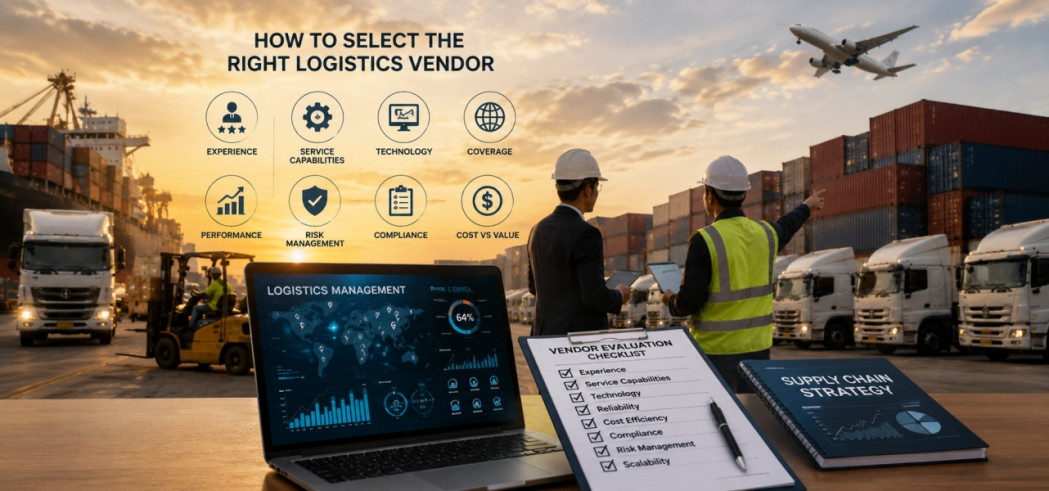
How to Select the Right Logistics Vendor : A Complete Guide for Businesses
Selecting the right logistics vendor is one of the most important decisions for any business involved in manufacturing, retail, e-commerce, exports, or distribution. A reliable logistics partner ensures timely deliveries, cost-effective transportation, efficient warehousing, and smooth supply chain operations. On the other hand, choosing the wrong vendor can result in shipment delays, higher costs, poor customer satisfaction, and operational disruptions.
As supply chains become increasingly digital and customer expectations continue to rise, businesses must adopt a strategic approach to vendor selection rather than focusing solely on price.
Why Logistics Vendor Selection Matters
A logistics vendor directly impacts inventory availability, transportation efficiency, customer experience, and overall business performance. The right partner helps improve delivery speed, reduce operational costs, enhance supply chain visibility, and support long-term business growth.
Key Factors to Consider
Industry Experience
Choose vendors with proven experience in your industry. Whether your business deals with FMCG, pharmaceuticals, automotive, agriculture, or e-commerce, industry expertise ensures better handling of products and regulatory compliance.
Service Capabilities
Evaluate the vendor's ability to provide transportation, warehousing, inventory management, freight forwarding, customs clearance, last-mile delivery, and value-added logistics services according to your business requirements.
Technology and Digital Capabilities
Modern logistics providers should use GPS tracking, Warehouse Management Systems (WMS), Transportation Management Systems (TMS), AI-based route optimization, and real-time shipment tracking. Digital capabilities improve visibility, efficiency, and customer communication.
Geographic Coverage
Select a vendor with a strong transportation network across your target markets. Businesses involved in exports should also evaluate international shipping capabilities and customs expertise.
Cost vs Value
While competitive pricing is important, businesses should evaluate the overall value offered by the vendor. Lower prices may sometimes result in poor service quality, delivery delays, or hidden costs. Compare pricing with reliability, technology, customer support, and operational performance before making a decision.
Evaluate Performance
Before signing a long-term agreement, assess the vendor using measurable Key Performance Indicators (KPIs), including:
Regular performance reviews help maintain consistent service quality.
Assess Risk Management
Reliable logistics vendors should have contingency plans for transportation delays, natural disasters, labour shortages, and supply chain disruptions. Ask about their business continuity plans, insurance coverage, cybersecurity measures, and emergency response capabilities.
Compliance and Sustainability
Ensure that vendors comply with transportation regulations, safety standards, environmental policies, and industry certifications. Businesses are increasingly selecting logistics partners that follow sustainable practices, including fuel-efficient fleets, green warehouses, and responsible waste management.
Questions to Ask Before Selecting a Vendor
Before finalising your logistics partner, consider asking:
These questions help identify vendors capable of supporting long-term business objectives.
Future of Vendor Selection
Digital transformation is changing how businesses evaluate logistics partners. AI-powered analytics, cloud-based procurement platforms, predictive performance monitoring, and data-driven decision-making are making vendor selection faster and more accurate. Companies increasingly prefer partners that combine operational excellence with technology, innovation, and sustainability.
Conclusion
Selecting the right logistics vendor is a strategic investment that directly influences supply chain performance, customer satisfaction, and business profitability. By evaluating experience, technology, service quality, risk management, compliance, and long-term value, businesses can build reliable logistics partnerships that support sustainable growth. In today's competitive logistics environment, organizations that choose the right vendors are better positioned to improve efficiency, reduce costs, and create resilient supply chains capable of meeting future market demands.
Customer Reviews (0 )
No record(s) Found !
 Categories