


Ask the Experts24/7 Online Support
Ask the Experts24/7 Online Support
 August 13, 2026 17:03PM
 0 Comments | Post a Comment
LOCO Posted on [ Aug 13, 2026 17:03PM ]
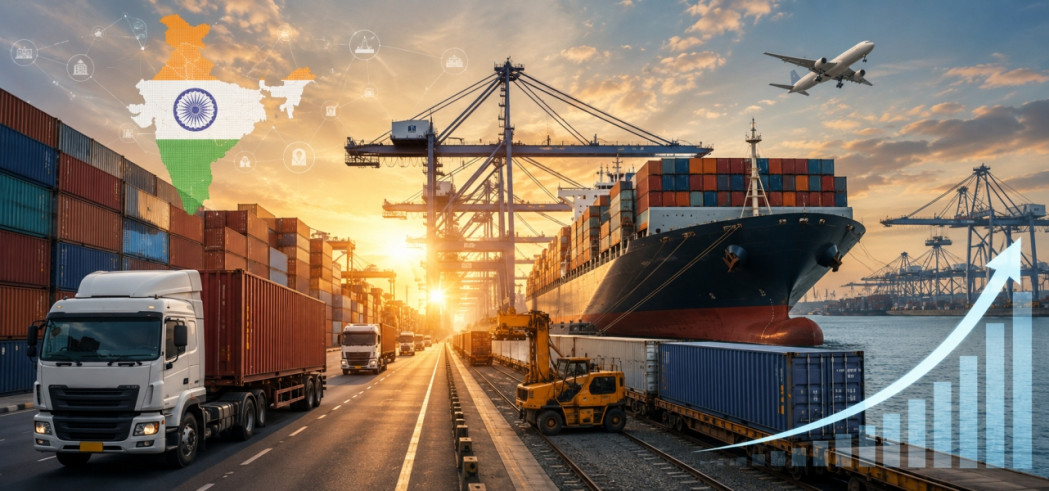
India’s Export Growth and the New Demand for Logistics Infrastructure :
India is strengthening its position in global trade as manufacturers, exporters, and businesses expand their presence in international markets. Growth in sectors such as electronics, pharmaceuticals, automobiles, engineering goods, textiles, chemicals, food products, and renewable-energy equipment is creating new demand for efficient logistics infrastructure in India.
Export growth is not only about producing more goods. Products must move efficiently from factories to warehouses, ports, airports, distribution centers, and international destinations. This makes modern logistics infrastructure an essential foundation for India's export competitiveness.
Why Export Growth Needs Better Logistics
A growing export economy requires reliable transportation, efficient cargo handling, modern storage facilities, and seamless documentation. Delays at any stage can increase costs and affect delivery schedules.
Exporters increasingly need logistics networks that provide:
Strong infrastructure can help businesses reduce logistics costs while improving delivery reliability.
Ports at the Center of Export Logistics
India's ports handle a significant share of international merchandise trade. As export volumes increase, ports need adequate capacity, efficient terminals, modern cargo-handling equipment, and stronger connections with inland markets.
Digital port systems, automated cargo handling, electronic documentation, and real-time tracking can further improve efficiency.
The Role of Freight Corridors and Railways
Rail freight can support long-distance movement of export cargo from manufacturing clusters to ports. Dedicated Freight Corridors and improved rail connectivity can increase freight capacity and reduce transit times.
Growth of Warehousing Infrastructure
Export-oriented manufacturing also requires strategically located warehouses and distribution centers. Modern warehouses can provide inventory consolidation, packaging, labelling, quality inspection, and customs-related services.
Multimodal Logistics: The Next Requirement
Export supply chains often involve several transportation modes. Cargo may travel by truck from a factory to a rail terminal, move by train to a port, and then continue by ship. Multimodal logistics infrastructure can connect these different modes and reduce unnecessary handling and delays. Integrated logistics parks can become important links between manufacturing centers and international markets.
Digital Infrastructure Matters Too
Technologies such as AI, IoT, cloud platforms, GPS tracking, digital documentation, and data analytics can provide greater supply chain visibility.
Digital systems can help exporters monitor shipments, identify delays, manage inventory, optimize routes, and improve coordination with logistics partners.
Opportunities for Logistics Companies
India's export growth creates opportunities across the logistics sector, including:
Logistics providers that combine physical networks with digital capabilities can become important partners for India's export-oriented businesses.
Challenges Ahead
Infrastructure development still faces challenges such as congestion, uneven connectivity, land availability, high investment requirements, fragmented logistics operations, and differences in infrastructure quality across regions. India will need continued investment and stronger coordination between government agencies, infrastructure developers, manufacturers, exporters, and logistics companies.
Outlook to 2030
As India seeks to expand manufacturing and increase its participation in global supply chains, logistics infrastructure will become increasingly important. Future investments are likely to focus on multimodal connectivity, smart ports, freight corridors, logistics parks, modern warehouses, digital platforms, and sustainable transportation.
Conclusion
India's export growth is creating a new demand for modern logistics infrastructure. Ports, railways, highways, warehouses, logistics parks, digital platforms, and multimodal networks must develop together to support the country's expanding international trade. For exporters, efficient logistics can mean lower costs, faster deliveries, better customer service, and greater competitiveness in global markets.
Customer Reviews (0 )
No record(s) Found !
 Categories