


Ask the Experts24/7 Online Support
Ask the Experts24/7 Online Support
 July 20, 2026 16:53PM
 0 Comments | Post a Comment

LOCO Posted on [ Jul 20, 2026 16:53PM ]
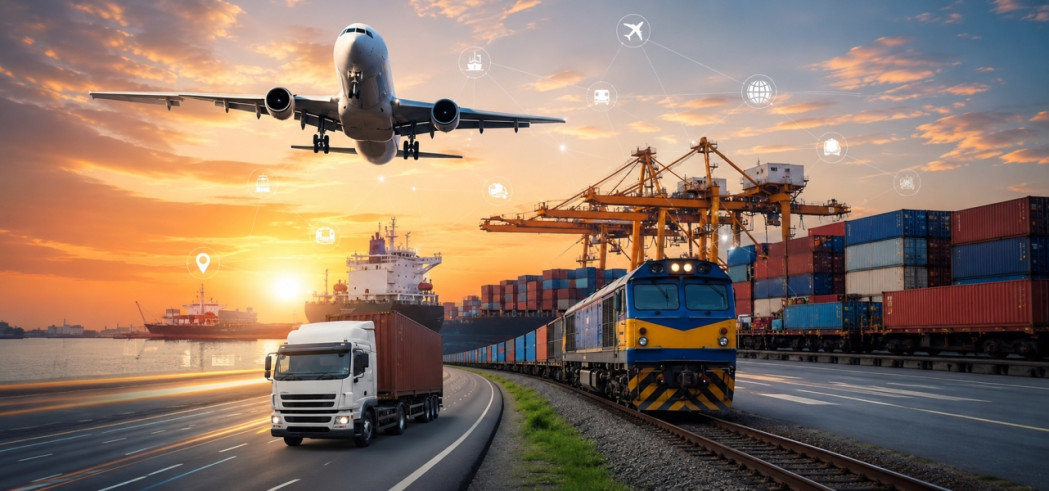
India's Logistics Vision 2030: Progress, Challenges, and Opportunities
India's logistics sector is entering a new era of transformation, driven by government reforms, infrastructure development, and rapid technological advancements. As India aims to become a global manufacturing and supply chain hub, efficient logistics has become a critical driver of economic growth, trade competitiveness, and industrial development. Through India's Logistics Vision 2030, the government is building a smarter, faster, and more integrated logistics ecosystem.
Why Logistics Matters
Logistics connects manufacturers, suppliers, warehouses, retailers, exporters, and consumers. Efficient transportation and supply chain management reduce costs, improve delivery speed, strengthen exports, and increase business productivity. Industries including manufacturing, e-commerce, pharmaceuticals, FMCG, agriculture, automotive, and retail depend on modern logistics infrastructure.
India's Logistics Vision 2030
The vision aims to modernize India's logistics ecosystem by improving infrastructure, promoting multimodal transportation, accelerating digital transformation, and encouraging sustainable logistics practices. The primary goals include reducing logistics costs, strengthening supply chains, improving global competitiveness, and attracting investment.
Key Government Initiatives
National Logistics Policy (NLP)
The National Logistics Policy provides a unified framework to improve logistics efficiency, simplify regulations, encourage digital integration, and enhance coordination across multiple government departments.
PM Gati Shakti
PM Gati Shakti integrates roads, railways, ports, airports, industrial corridors, and logistics parks into a single digital planning platform, enabling faster infrastructure development and better multimodal connectivity.
Bharatmala Pariyojana
This flagship highway development program strengthens economic corridors, border roads, coastal connectivity, and freight transportation by improving India's road infrastructure.
Sagarmala Programme
Sagarmala focuses on modernizing ports, improving coastal shipping, reducing logistics costs, and promoting port-led industrial development.
Dedicated Freight Corridors
Dedicated Freight Corridors improve rail freight efficiency by separating cargo trains from passenger services, enabling faster transportation and higher freight capacity.
Multi-Modal Logistics Parks
These integrated logistics hubs combine road, rail, air, and waterways while offering warehousing, container handling, cold storage, customs facilities, and distribution centers.
Digital Transformation
Technology is reshaping logistics across India.
Artificial Intelligence is helping companies optimize routes, forecast demand, automate warehouses, manage inventory, and improve customer service.
Warehousing and Cold Chain
India's warehousing sector is rapidly modernizing with automation, robotics, AI-powered inventory management, Warehouse Management Systems (WMS), and smart storage solutions. Growing demand from e-commerce, retail, and manufacturing is driving investments in Grade A warehouses.
Cold chain logistics is expanding across pharmaceuticals, food processing, agriculture, and healthcare through temperature-controlled transportation and smart monitoring systems.
Challenges
Despite remarkable progress, several challenges remain:
Addressing these issues will be essential for achieving Logistics Vision 2030.
Opportunities
India's logistics transformation offers significant opportunities in:
Businesses investing in digital technologies and operational efficiency will gain long-term competitive advantages.
Future Outlook
By 2030, India is expected to have a more integrated, technology-driven, and sustainable logistics ecosystem. Continued investments in infrastructure, multimodal transportation, AI, automation, and digital logistics will improve supply chain resilience, strengthen exports, attract investments, and support economic growth.
Conclusion
India's Logistics Vision 2030 represents a transformational roadmap for the country's logistics and supply chain sector. Supported by initiatives such as the National Logistics Policy, PM Gati Shakti, Bharatmala, Sagarmala, Dedicated Freight Corridors, and Multi-Modal Logistics Parks, India is building a modern logistics ecosystem that enhances efficiency, reduces costs, and improves global competitiveness.
Customer Reviews (0 )
No record(s) Found !
 Categories