


Ask the Experts24/7 Online Support
Ask the Experts24/7 Online Support
 August 04, 2026 14:45PM
 0 Comments | Post a Comment
LOCO Posted on [ Aug 04, 2026 14:45PM ]
Indian Railways' Role in Supply Chain Efficiency
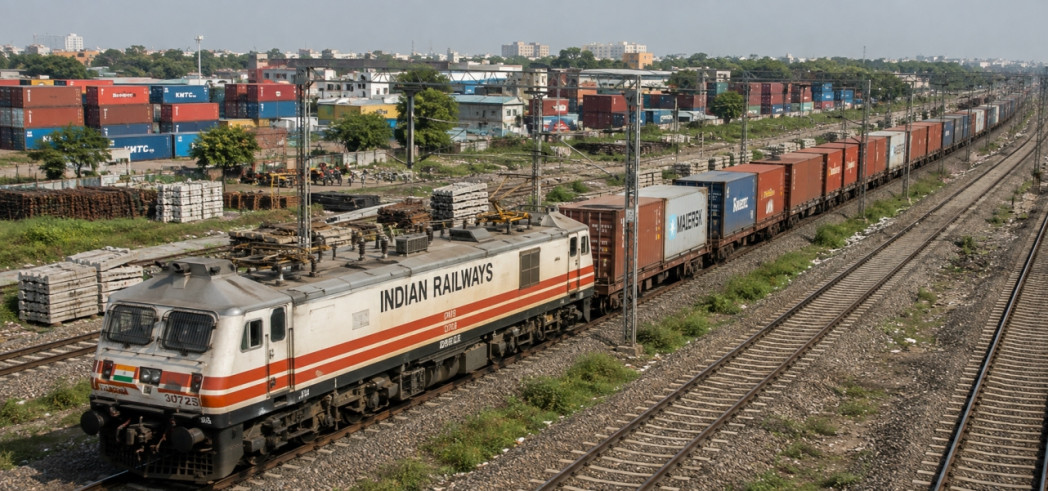
Indian Railways is one of the largest rail networks in the world and plays a vital role in strengthening India's logistics and supply chain ecosystem. Every day, millions of tonnes of coal, steel, cement, food grains, automobiles, petroleum products, fertilizers, and containerized cargo are transported across the country. With rising demand for faster and cost-effective freight movement, Indian Railways is becoming a key driver of supply chain efficiency.
Government initiatives such as the National Logistics Policy, PM Gati Shakti, and Dedicated Freight Corridors (DFCs) are modernizing rail infrastructure and enabling businesses to move cargo more efficiently while reducing logistics costs.
Why Indian Railways Matters
Rail transport is one of the most economical and environmentally friendly modes of freight transportation. It can move large cargo volumes over long distances at lower costs compared to road transport.
Indian Railways supports industries such as manufacturing, mining, agriculture, FMCG, automotive, and e-commerce by providing reliable connectivity between production centers, warehouses, ports, and consumption markets.
Benefits for Supply Chains
Cost-Effective Transportation
Rail freight significantly reduces transportation costs, especially for bulk commodities and long-distance cargo movement. Businesses can optimize logistics expenses while improving delivery reliability.
High Cargo Capacity
Freight trains can transport thousands of tonnes of cargo in a single trip, making railways ideal for coal, cement, steel, agricultural products, containers, and industrial raw materials.
Faster Freight Movement
The introduction of Dedicated Freight Corridors (DFCs) is reducing transit time by separating freight and passenger train operations. Faster cargo movement helps businesses improve inventory planning and customer service.
Environmental Sustainability
Rail transport consumes less fuel per tonne of cargo and generates lower carbon emissions than road transport. Increasing rail freight supports India's sustainable logistics and green transportation goals.
Digital Transformation
Indian Railways is adopting modern digital technologies to improve freight operations and customer experience.
Key technologies include:
These innovations provide real-time shipment visibility, improve operational efficiency, and reduce paperwork.
Multimodal Logistics
Railways are becoming an essential part of India's multimodal logistics strategy by integrating seamlessly with roads, ports, inland waterways, airports, and logistics parks. Container trains now connect manufacturing hubs with ports, enabling faster export-import cargo movement.
This integration reduces cargo handling time, lowers transportation costs, and strengthens end-to-end supply chain efficiency.
Challenges
Despite significant improvements, Indian Railways continues to face several challenges:
Addressing these issues will further improve freight efficiency and service reliability.
Future Outlook
The future of rail logistics in India will be driven by Dedicated Freight Corridors, multimodal logistics parks, smart freight terminals, AI-powered operations, automated cargo handling, and digital freight platforms. Greater private sector participation and infrastructure investments will strengthen rail connectivity and improve supply chain resilience.
As manufacturing, exports, and domestic freight demand continue to grow, Indian Railways is expected to play an even larger role in reducing logistics costs and supporting economic development.
Conclusion
Indian Railways is transforming India's supply chain by providing cost-effective, reliable, and sustainable freight transportation. Investments in modern infrastructure, digital technologies, and multimodal connectivity are improving cargo movement while supporting industries across the country.
Businesses that integrate rail transportation into their logistics strategy can benefit from lower costs, improved efficiency, and greater supply chain resilience. As India moves towards becoming a global manufacturing and logistics hub, Indian Railways will remain a key pillar of efficient and sustainable freight transportation.
Customer Reviews (0 )
No record(s) Found !
 Categories