


Ask the Experts24/7 Online Support
Ask the Experts24/7 Online Support
 August 13, 2026 21:44PM
 0 Comments | Post a Comment
LOCO Posted on [ Aug 13, 2026 21:44PM ]
Logistics Cost-to-Serve: Understanding the True Cost of Every Delivery
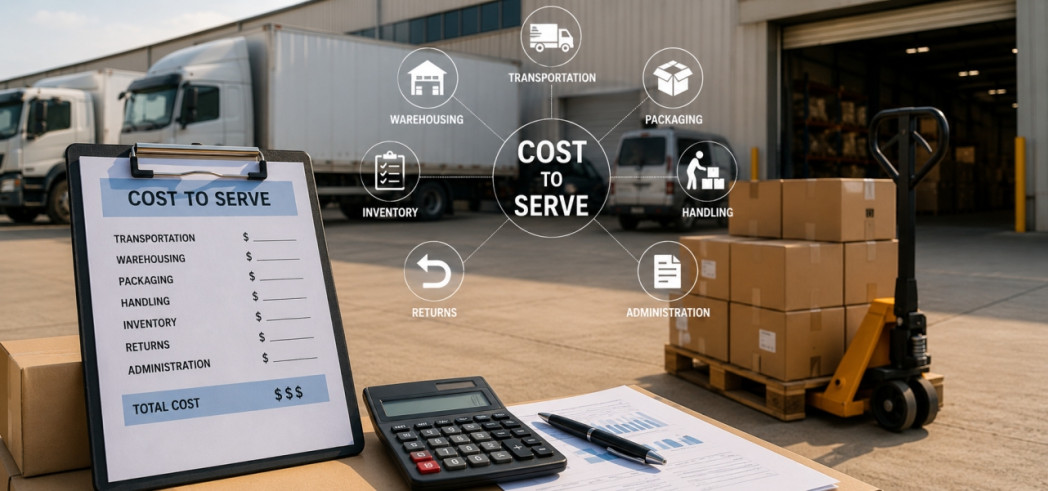
For many businesses, transportation cost is often measured simply by the freight rate paid to a logistics provider. However, the true cost of a delivery is much broader. It can include transportation, warehousing, packaging, fuel, handling, inventory, technology, returns, failed deliveries, and administrative expenses.
This is where logistics cost-to-serve becomes important. It helps companies understand how much it actually costs to serve a particular customer, product, order, route, or delivery location.
What Is Logistics Cost-to-Serve?
Cost-to-serve is a method of calculating all costs associated with delivering a product or service to a specific customer or market.
Instead of asking, “What is the freight cost?”, businesses ask:
“What is the total cost of fulfilling and delivering this order?”
What Costs Should Be Included?
A complete cost-to-serve analysis may include:
The exact cost structure depends on the industry and type of logistics operation.
Why Cost-to-Serve Matters
Two customers can generate the same sales revenue but have completely different logistics costs. For example, one customer may receive large, consolidated shipments on predictable routes, while another may require frequent small deliveries to remote locations. If a company only looks at sales revenue, both customers may appear equally profitable.
Cost-to-serve analysis can reveal the difference.
Businesses can use this information to:
Transportation Is Only Part of the Cost
Transportation is often the most visible logistics expense, but it is not the only one. A delivery that requires multiple warehouse touches, special packaging, urgent transportation, or a second delivery attempt may have a much higher total cost than its freight invoice suggests.
Technology and Data Analytics
Modern logistics technology makes cost-to-serve analysis easier. Transportation Management Systems (TMS), Warehouse Management Systems (WMS), ERP platforms, GPS tracking, and analytics tools can collect operational data across the supply chain.
AI and advanced analytics can further identify cost patterns and help businesses predict the financial impact of different logistics decisions. For example, companies can compare the cost of different routes, carriers, shipment sizes, delivery frequencies, and warehouse locations.
How Businesses Can Reduce Cost-to-Serve
Optimize Shipment Consolidation
Combining smaller orders into larger shipments can improve vehicle utilization and reduce transportation costs.
Improve Route Planning
Route optimization can reduce unnecessary kilometres, fuel consumption, and delivery time.
Reduce Failed Deliveries
Accurate addresses, delivery scheduling, and customer communication can reduce repeat delivery costs.
Review Packaging
Right-sized and lightweight packaging can reduce dimensional weight, handling, and storage requirements.
Segment Customers
Businesses can develop different service levels according to customer profitability, demand patterns, and logistics requirements.
The Future of Cost-to-Serve
As supply chains become more data-driven, cost-to-serve analysis will move from periodic reporting toward real-time decision-making. AI can help businesses identify cost anomalies, forecast delivery expenses, and recommend more efficient fulfilment strategies.
Conclusion
Logistics cost-to-serve provides a complete view of the true cost of every delivery. By considering transportation, warehousing, packaging, inventory, handling, returns, and other hidden expenses, businesses can understand where their logistics operations create value and where they lose money. For companies seeking better supply chain profitability, cost-to-serve analysis is an essential tool.
The objective is not simply to deliver at the lowest possible cost, but to deliver the right service at the right cost while maintaining customer satisfaction and operational efficiency.
Customer Reviews (0 )
No record(s) Found !
 Categories