


Ask the Experts24/7 Online Support
Ask the Experts24/7 Online Support
 July 25, 2026 17:13PM
 0 Comments | Post a Comment
LOCO Posted on [ Jul 25, 2026 17:13PM ]
Mining Logistics: Challenges and Best Practices
Mining is one of the world's most important industries, supplying essential raw materials such as coal, iron ore, bauxite, copper, limestone, and critical minerals for manufacturing, infrastructure, and energy production. However, extracting minerals is only the first step. Transporting these materials safely, efficiently, and cost-effectively requires a well-planned logistics network. This makes Mining Logistics a critical component of the mining value chain.
From remote mining sites to processing plants, ports, and export terminals, mining logistics involves complex transportation, storage, equipment management, and supply chain coordination. Efficient logistics reduces operational costs, improves productivity, and ensures uninterrupted mineral supply.
What is Mining Logistics?
Mining logistics refers to the planning, transportation, storage, and distribution of minerals, mining equipment, fuel, and other essential resources throughout mining operations. It includes road transport, rail freight, conveyor systems, ports, warehouses, and heavy equipment management.
An effective mining logistics system ensures timely movement of materials while maintaining safety, operational efficiency, and environmental compliance.
Major Challenges
Remote Mining Locations
Many mines are located in remote areas with limited road, rail, and port connectivity. Transporting heavy equipment and bulk minerals over long distances increases logistics complexity and operational costs.
Heavy Cargo Transportation
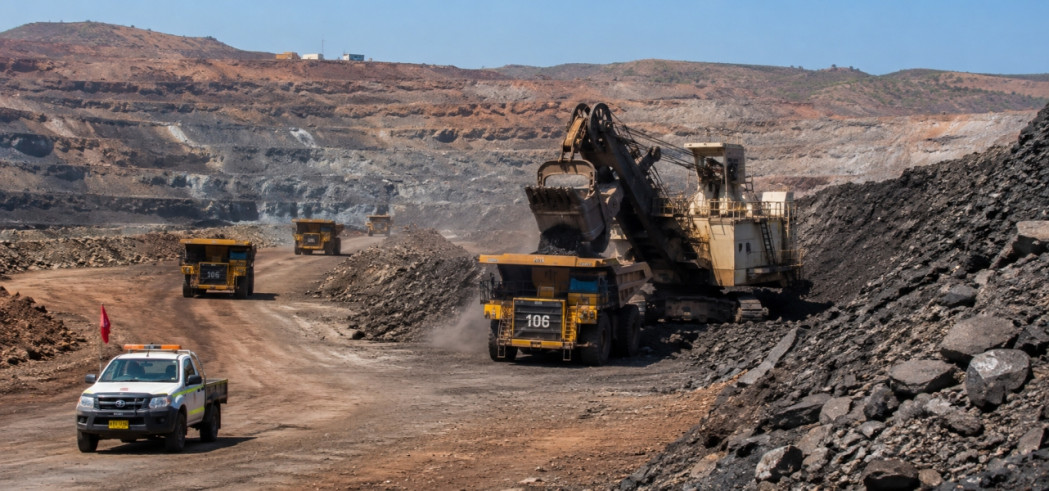
Mining operations involve oversized machinery, excavators, dump trucks, drilling equipment, and bulk mineral transportation. Handling these loads requires specialised vehicles, route planning, and experienced logistics partners.
Infrastructure Constraints
Poor road conditions, limited rail capacity, and inadequate storage facilities can delay shipments and increase transportation costs.
Safety and Compliance
Mining logistics involves hazardous environments where strict safety regulations must be followed. Proper cargo handling, driver training, vehicle inspections, and compliance with environmental standards are essential.
Best Practices
Integrated Transport Planning
Combining road, rail, and port transportation through multimodal logistics improves efficiency, reduces transit time, and lowers transportation costs.
Digital Fleet Management
GPS tracking, telematics, and fleet management software enable real-time vehicle monitoring, route optimisation, fuel management, and predictive maintenance, improving overall operational performance.
Warehouse and Inventory Management
Efficient storage of spare parts, fuel, explosives, and mining equipment ensures uninterrupted operations. Modern Warehouse Management Systems (WMS) improve inventory accuracy and reduce downtime.
Risk Management
Mining companies should develop contingency plans for weather disruptions, equipment failures, labour shortages, and supply chain interruptions. Diversified transport routes and reliable logistics partners strengthen operational resilience.
Technology in Mining Logistics
Technology is transforming mining logistics through automation and data-driven decision-making.
Key innovations include:
These technologies improve operational visibility, reduce equipment downtime, enhance safety, and optimise transportation efficiency.
Sustainability
Mining companies are increasingly adopting sustainable logistics practices by using fuel-efficient vehicles, electric mining equipment, renewable energy, and better route planning to reduce emissions and environmental impact. Recycling materials and improving resource utilisation also contribute to greener mining operations.
Future Outlook
Growing demand for critical minerals used in electric vehicles, renewable energy, electronics, and infrastructure is creating new opportunities for mining logistics. Investments in dedicated freight corridors, smart ports, automation, and digital supply chains will improve connectivity and strengthen global mineral transportation networks.
As mining operations become increasingly technology-driven, logistics providers that invest in innovation, safety, and sustainability will gain a competitive advantage.
Conclusion
Mining logistics is essential for ensuring the efficient movement of minerals, equipment, and resources across the supply chain. While challenges such as remote locations, heavy cargo, infrastructure limitations, and safety requirements remain, adopting best practices and advanced technologies can significantly improve operational efficiency.
By embracing digital transformation, multimodal transportation, fleet optimisation, and sustainable logistics solutions, mining companies can reduce costs, improve productivity, and build resilient supply chains that support long-term growth.
Customer Reviews (0 )
No record(s) Found !
 Categories