


Ask the Experts24/7 Online Support
Ask the Experts24/7 Online Support
 July 21, 2026 19:33PM
 0 Comments | Post a Comment
LOCO Posted on [ Jul 21, 2026 19:33PM ]
National Logistics Policy: Impact on Businesses and Supply Chains
Introduction : India's National Logistics Policy (NLP) marks a significant milestone in transforming the country's logistics ecosystem. Introduced to improve efficiency, reduce logistics costs, and strengthen India's global competitiveness, the policy supports the vision of creating an integrated, technology-driven, and sustainable logistics network. As India's manufacturing, e-commerce, and export sectors continue to grow, the National Logistics Policy is expected to play a crucial role in enhancing supply chain performance and attracting investment.
What is the National Logistics Policy?
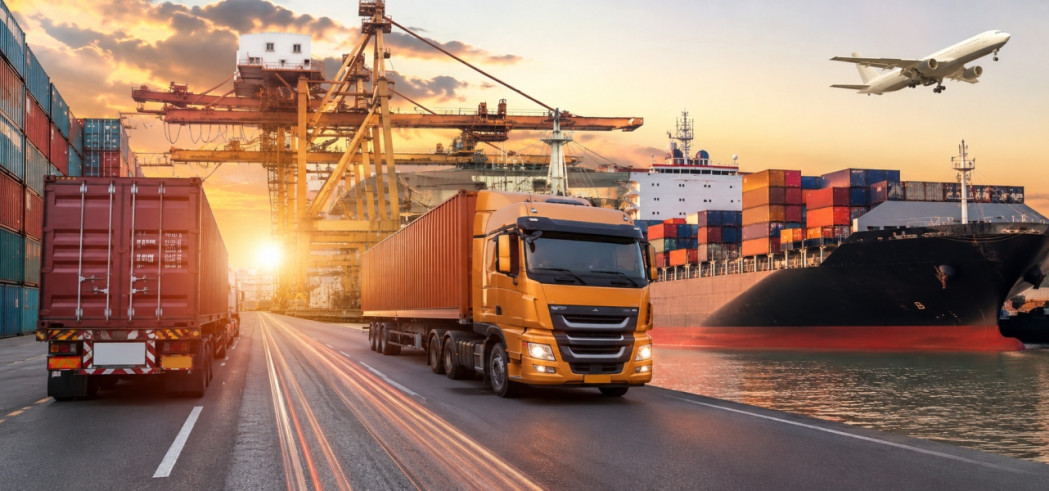
The National Logistics Policy provides a unified framework for improving logistics across road, rail, air, sea, and inland waterways. It promotes better coordination among government ministries, encourages digital integration, and aims to simplify logistics processes for businesses. The policy complements flagship initiatives such as PM Gati Shakti, Bharatmala, Sagarmala, and Dedicated Freight Corridors, creating a seamless multimodal transportation network.
Key Objectives
The National Logistics Policy focuses on several strategic goals:
Impact on Businesses
Lower Transportation Costs
Improved infrastructure and better route planning help businesses reduce transportation expenses, fuel consumption, and delivery times, leading to higher profitability.
Faster Supply Chains
Integrated transport networks enable quicker movement of goods between manufacturers, warehouses, ports, and customers, improving overall supply chain efficiency.
Better Connectivity
Enhanced road, rail, port, and airport connectivity allows businesses to expand operations into Tier-2 and Tier-3 cities while improving access to domestic and international markets.
Increased Digital Adoption
The policy encourages businesses to adopt technologies such as Transportation Management Systems (TMS), Warehouse Management Systems (WMS), Artificial Intelligence (AI), Internet of Things (IoT), GPS tracking, and cloud-based logistics platforms for real-time visibility and improved decision-making.
Impact on Supply Chains
The National Logistics Policy promotes integrated supply chains by improving coordination between transportation modes, reducing delays, and minimizing operational inefficiencies. Companies can benefit from better inventory planning, reduced transit times, improved customer service, and stronger supply chain resilience.
The policy also supports the growth of cold chain logistics, warehousing, freight corridors, and multimodal logistics parks, helping industries such as pharmaceuticals, agriculture, FMCG, automotive, and e-commerce.
Technology Driving Logistics
Digital transformation is central to the policy's success. AI-powered demand forecasting, automated warehouses, predictive analytics, IoT-enabled fleet monitoring, blockchain-based documentation, and smart logistics platforms are helping businesses optimize operations while improving transparency and operational efficiency.
Challenges
Despite its benefits, successful implementation requires addressing several challenges:
Overcoming these challenges will be essential for maximizing the policy's long-term impact.
Future Outlook
The National Logistics Policy is expected to transform India's logistics sector by improving multimodal connectivity, encouraging innovation, strengthening exports, and attracting domestic and global investments. As digital technologies and modern infrastructure continue to evolve, businesses adopting smart logistics solutions will gain a competitive advantage in an increasingly connected marketplace.
Conclusion
The National Logistics Policy is more than a policy reform—it is a strategic roadmap for building a modern, efficient, and globally competitive logistics ecosystem. By reducing logistics costs, improving infrastructure, promoting digital transformation, and strengthening supply chains, the policy will benefit businesses of all sizes while supporting India's vision of becoming a global manufacturing and trade hub. Companies that embrace technology, innovation, and integrated logistics practices will be best positioned to capitalize on the opportunities created by this transformational initiative.
Customer Reviews (0 )
No record(s) Found !
 Categories