


Ask the Experts24/7 Online Support
Ask the Experts24/7 Online Support
 August 18, 2026 14:35PM
 0 Comments | Post a Comment
LOCO Posted on [ Aug 18, 2026 14:35PM ]
Port Congestion in 2026: Causes, Costs and Solutions
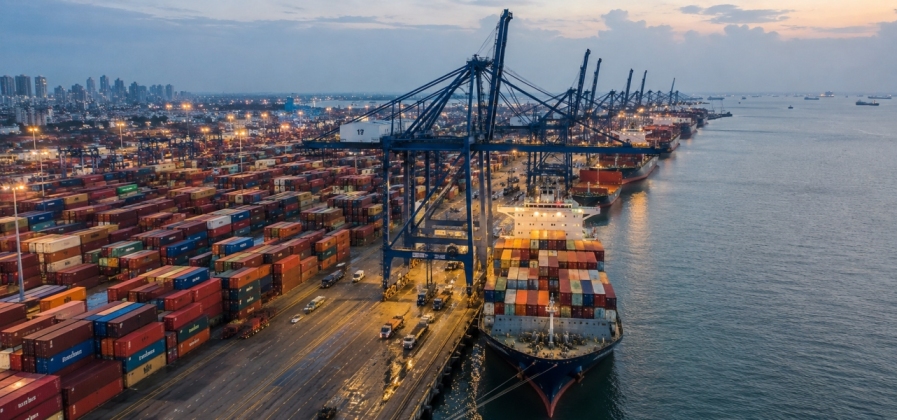
Ports are critical gateways for international trade. From containers carrying electronics and machinery to raw materials, food products, and industrial components, millions of tonnes of cargo move through ports every year. However, when vessels, containers, trucks, and cargo-handling operations become concentrated beyond available capacity, port congestion can develop. In 2026, efficient port operations remain increasingly important as global supply chains become more interconnected and businesses expect faster and more predictable cargo movement. Port congestion can affect shipping schedules, transportation costs, inventory planning, and customer service.
What Is Port Congestion?
Port congestion occurs when the volume of vessels or cargo arriving at a port exceeds the terminal's ability to process them efficiently.
Congestion can appear in different forms:
A delay at one stage can create a chain reaction across the wider logistics network.
Major Causes of Port Congestion
1. Sudden Cargo Volume Increases
Unexpected increases in import or export volumes can put pressure on terminal capacity. Seasonal demand and changes in trade patterns can make this problem more difficult to predict.
2. Vessel Schedule Disruptions
Bad weather, geopolitical developments, route changes, or delays at previous ports can cause several vessels to arrive close together, creating temporary capacity pressure.
3. Limited Terminal Capacity
Ports require sufficient berths, cranes, storage yards, gates, and internal transportation systems. When one of these components becomes a bottleneck, overall port performance can decline.
4. Inland Transportation Delays
Port efficiency depends heavily on road and rail connectivity. If trucks or trains cannot collect containers quickly, cargo can remain inside terminals and reduce available yard capacity.
5. Customs and Documentation
Incomplete documentation, inspections, or delayed clearance procedures can prevent containers from leaving the port even when physical handling capacity is available.
How Port Congestion Increases Costs
Congestion creates both direct and indirect costs. Shipping companies may face vessel waiting costs, while cargo owners can experience additional storage, demurrage, and detention expenses. Truck operators may lose productive hours waiting at terminals.
Impact on Supply Chain Visibility
Port congestion can make delivery schedules less predictable. A shipment that normally takes a specific amount of time may experience significant variation during congested periods. This uncertainty makes it harder for businesses to plan inventory, warehouse capacity, production, and customer deliveries.
How Technology Can Help
Digital technology can improve port coordination and cargo visibility. AI and predictive analytics can help identify potential congestion before it becomes severe. IoT systems can provide real-time information about containers, equipment, and yard activity. Digital port platforms can connect shipping lines, terminal operators, customs authorities, transporters, and cargo owners, improving information sharing.
Improving Port Connectivity
Port congestion cannot always be solved inside the terminal itself. Strong road and rail connectivity is equally important. Dedicated freight corridors, efficient rail terminals, staging areas, truck appointment systems, and multimodal logistics parks can help move cargo away from ports faster.
Strategies for Businesses
Importers and exporters can reduce congestion-related risks by:
The Future of Port Operations
Future ports are likely to become increasingly automated, connected, and data-driven. AI-powered planning, smart containers, automated equipment, digital documentation, predictive maintenance, and integrated road-rail systems can improve cargo flow. The focus will increasingly shift from simply expanding physical capacity toward using existing infrastructure more intelligently.
Conclusion
Port congestion in 2026 remains an important logistics challenge because its impact extends far beyond the port itself. Delays can increase shipping costs, disrupt inventory planning, reduce transportation efficiency, and affect customer service. For businesses involved in international trade, understanding port congestion and preparing for potential disruptions will remain essential to building a more resilient and efficient supply chain.
Customer Reviews (0 )
No record(s) Found !
 Categories