


Ask the Experts24/7 Online Support
Ask the Experts24/7 Online Support
 July 31, 2026 16:50PM
 0 Comments | Post a Comment
LOCO Posted on [ Jul 31, 2026 16:50PM ]
Port Digitalization: The Future of Shipping
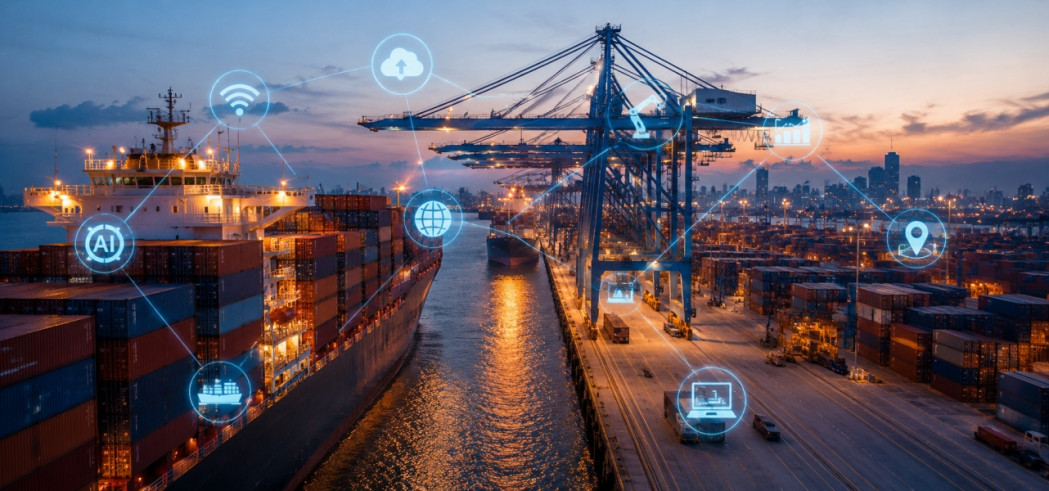
Global trade depends heavily on efficient ports to move goods across international markets. As cargo volumes continue to grow and supply chains become more complex, traditional port operations are no longer sufficient. Today, Port Digitalization is revolutionizing the shipping industry by integrating advanced technologies such as Artificial Intelligence (AI), the Internet of Things (IoT), automation, cloud computing, and data analytics into port operations.
Digital ports improve cargo handling, reduce vessel turnaround time, enhance operational efficiency, and provide real-time visibility across the maritime supply chain. For countries like India, investing in smart ports is essential for strengthening global trade competitiveness and supporting economic growth.
What is Port Digitalization?
Port Digitalization is the process of using digital technologies to automate and optimize port operations. It connects shipping lines, port authorities, customs, logistics companies, transport operators, and cargo owners through integrated digital platforms.
By replacing manual processes with real-time digital systems, ports become more efficient, transparent, secure, and capable of handling increasing cargo volumes.
Key Technologies Driving Smart Ports
Artificial Intelligence (AI)
AI helps ports optimize vessel scheduling, predict cargo arrivals, manage container movements, and improve equipment utilization. Predictive analytics also helps reduce congestion and operational delays.
Internet of Things (IoT)
IoT sensors monitor cranes, containers, vehicles, warehouses, and port equipment in real time. Continuous monitoring improves asset tracking, maintenance planning, and cargo visibility throughout the supply chain.
Automation and Robotics
Automated cranes, robotic container handling systems, autonomous vehicles, and smart gates significantly improve cargo handling efficiency while reducing human error and operating costs.
Digital Documentation
Electronic Bills of Lading (eBL), digital customs clearance, e-invoicing, and paperless documentation simplify trade processes, reduce paperwork, and speed up cargo clearance.
Benefits of Port Digitalization
Modern digital ports offer numerous advantages:
These benefits help shipping companies, exporters, importers, and logistics providers improve service quality and reduce delays.
India's Smart Port Transformation
India is rapidly modernizing its maritime infrastructure through initiatives such as Sagarmala, the National Logistics Policy, and digital port modernization programs. Major ports are adopting automated cargo handling systems, digital tracking, AI-powered traffic management, and integrated logistics platforms to improve operational efficiency.
The development of multimodal logistics parks and better port connectivity through road and rail networks is further strengthening India's role in global maritime trade.
Challenges
Despite significant progress, several challenges remain:
Addressing these challenges requires collaboration between governments, port authorities, technology providers, and logistics companies.
Future Outlook
The future of shipping will be driven by fully connected smart ports powered by AI, automation, blockchain, digital twins, and predictive analytics. Autonomous cargo handling equipment, intelligent traffic management, and cloud-based logistics platforms will further improve efficiency and sustainability.
Digital ports will also support green shipping by reducing fuel consumption, minimizing vessel waiting time, and lowering carbon emissions through optimized operations.
Conclusion
Port digitalization is transforming the future of global shipping by making ports smarter, faster, and more efficient. Technologies such as AI, IoT, automation, and digital documentation are improving cargo movement, enhancing supply chain visibility, and reducing operational costs.
As international trade continues to grow, investments in smart ports and digital infrastructure will become increasingly important. For India and the global logistics industry, port digitalization represents a major opportunity to improve competitiveness, strengthen supply chains, and build a sustainable maritime ecosystem for the future.
Customer Reviews (0 )
No record(s) Found !
 Categories