


Ask the Experts24/7 Online Support
Ask the Experts24/7 Online Support
 August 10, 2026 15:12PM
 0 Comments | Post a Comment
LOCO Posted on [ Aug 10, 2026 15:12PM ]
Smart Ports 2.0: What Comes After Port Automation?
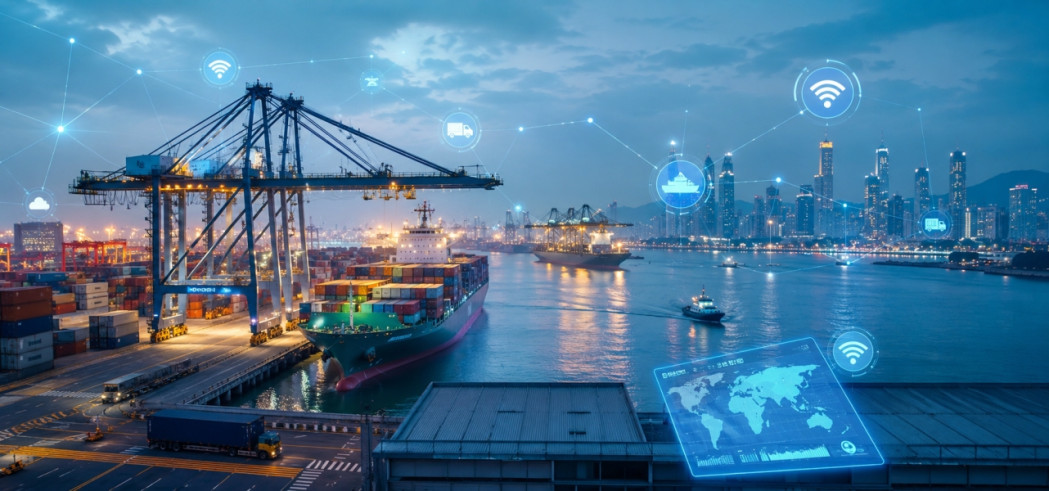
Ports are undergoing a major digital transformation. Automation has already changed how containers are handled, cargo is tracked, and terminal operations are managed. But the next stage of maritime innovation goes beyond automated cranes and digital systems. Smart Ports 2.0 will focus on connected ecosystems, artificial intelligence, predictive decision-making, real-time data, and sustainable operations.
As global trade becomes more complex, ports need to become faster, more resilient, transparent, and environmentally sustainable. Smart Port 2.0 represents this next phase of port digitalization.
What Is a Smart Port?
A smart port is a digitally connected port where technologies such as Artificial Intelligence (AI), Internet of Things (IoT), automation, cloud computing, digital twins, and data analytics work together to improve port operations.
Traditional port automation focuses mainly on individual processes, such as automated container handling or gate operations. Smart Ports 2.0 take a broader approach by connecting terminals, shipping lines, customs authorities, logistics companies, truck operators, railways, and cargo owners through integrated digital platforms.
From Automation to Intelligent Decision-Making
The biggest change in Smart Ports 2.0 will be the shift from automating tasks to automating decisions.
AI-powered systems can analyze vessel movements, container volumes, weather conditions, berth availability, equipment utilization, and landside traffic. This information can help port operators predict congestion and optimize resources before problems occur.
For example, predictive analytics can identify potential equipment failures before they disrupt terminal operations. Similarly, AI can help determine the most efficient berth allocation based on vessel arrival times and terminal capacity.
Digital Twins: Creating a Virtual Port
One of the most promising technologies for future ports is the digital twin.
A digital twin creates a virtual representation of a physical port and continuously updates it using real-time operational data. Port managers can use this virtual environment to simulate vessel arrivals, cargo flows, equipment movements, and infrastructure changes.
Before implementing a major operational change, the port can test different scenarios digitally. This can reduce operational risks and support better investment decisions.
Real-Time Port Visibility
Smart Ports 2.0 will also improve end-to-end visibility.
IoT sensors, GPS, connected equipment, and cloud platforms can provide real-time information about containers, vehicles, cranes, gates, and vessels. Instead of relying on fragmented information from different stakeholders, port operators can create a unified operational view.
This visibility can improve container tracking, truck turnaround times, cargo planning, and supply chain coordination.
Green and Sustainable Ports
Technology will also play an important role in reducing the environmental impact of maritime operations.
Smart ports can use digital systems to optimize equipment utilization, reduce unnecessary vehicle movements, improve energy consumption, and monitor emissions. AI-based energy management can help terminals determine when and where electricity is being consumed most efficiently.
The future may also see greater adoption of electric cargo-handling equipment, shore power, renewable energy, alternative fuels, and automated energy monitoring systems.
Cybersecurity Becomes Critical
Greater connectivity also creates new risks. As port infrastructure becomes increasingly dependent on digital platforms, cybersecurity in port operations will become a strategic priority.
Ports will need stronger network protection, access controls, data security, incident-response systems, and continuous monitoring to protect operational technology and sensitive cargo information.
What Comes After Port Automation?
The future of port digitalization is not simply about replacing people with machines. It is about creating an intelligent, connected and predictive maritime ecosystem.
Smart Ports 2.0 will combine automation with AI, digital twins, IoT, predictive analytics, real-time visibility, cybersecurity, and sustainability. These technologies can help ports respond faster to disruptions, improve asset utilization, reduce congestion, and support global trade more efficiently.
For India and other major trading economies, the transition toward Smart Ports 2.0 could become an important part of building competitive and resilient logistics infrastructure.
Conclusion
Port automation was only the beginning. The next generation of ports will be defined by intelligence, connectivity, prediction and sustainability. As maritime trade continues to evolve, Smart Ports 2.0 can transform ports from automated cargo-handling facilities into digitally integrated logistics hubs capable of making faster and smarter decisions.
Customer Reviews (0 )
No record(s) Found !
 Categories