


Ask the Experts24/7 Online Support
Ask the Experts24/7 Online Support
 August 10, 2026 12:58PM
 0 Comments | Post a Comment
LOCO Posted on [ Aug 10, 2026 12:58PM ]
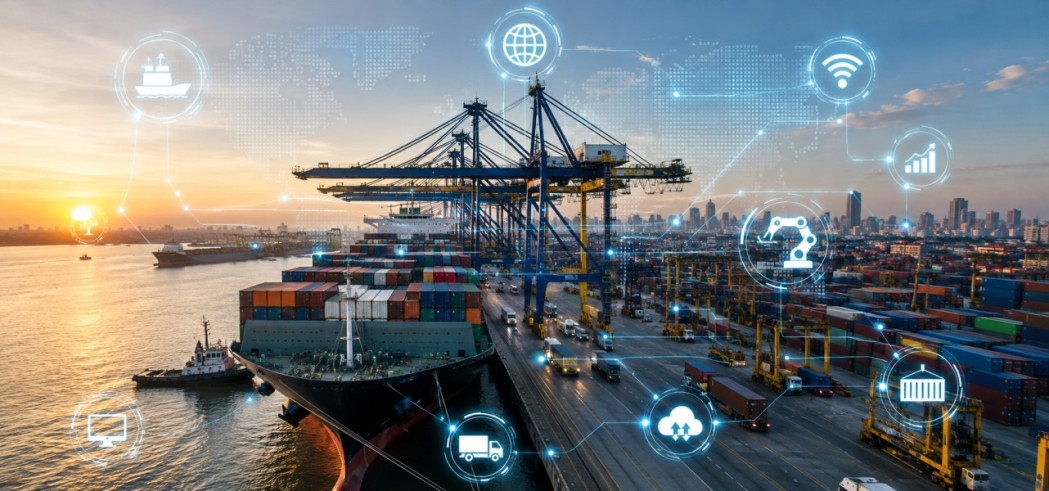
Smart Ports and Maritime Digital Transformation
Ports are the critical connection points between global shipping networks and inland supply chains. As international trade grows and cargo volumes become more complex, traditional port operations are increasingly being transformed through digital technologies. Smart ports and maritime digital transformation are creating a new generation of connected, automated, and data-driven logistics hubs. Artificial Intelligence (AI), Internet of Things (IoT), automation, cloud computing, digital twins, and advanced analytics are helping ports improve cargo handling, reduce vessel turnaround times, strengthen security, and increase supply chain visibility.
What is a Smart Port?
A smart port is a digitally connected port that uses technology, data, automation, and intelligent systems to optimize maritime and logistics operations.
Instead of relying primarily on manual processes, smart ports connect shipping lines, terminal operators, customs authorities, freight forwarders, transport companies, and cargo owners through integrated digital platforms.
The goal is to create faster, more transparent, secure, and sustainable cargo movement from vessel to final destination.
Key Technologies Transforming Ports
Artificial Intelligence
AI can analyze large volumes of operational data to optimize vessel scheduling, predict cargo arrivals, manage container movements, and identify potential congestion.
Internet of Things
IoT sensors provide real-time information about containers, cranes, vehicles, warehouses, and other port assets. Smart sensors can monitor location, temperature, humidity, and equipment conditions.
Port Automation
Automated cranes, smart gates, autonomous vehicles, and robotic handling systems can reduce manual processes and improve container movement. Automation increases productivity, improves safety, and can reduce vessel and truck waiting times.
Digital Twins
Digital twin technology creates a virtual representation of port infrastructure and operations. Port authorities can use simulations to test different scenarios, identify bottlenecks, and optimize resource allocation before implementing operational changes.
Benefits of Maritime Digital Transformation
Smart port technologies provide several benefits:
These improvements can make ports more competitive while supporting efficient international trade.
Digital Documentation
Paper-based documentation can create delays and administrative costs. Electronic Bills of Lading, digital customs processes, online cargo clearance, and automated documentation systems can make maritime trade faster and more transparent. Standardized digital data exchange also improves communication between shipping lines, ports, customs agencies, and logistics providers.
India's Smart Port Transformation
India is investing in maritime infrastructure and digital logistics to strengthen its position in global trade. Initiatives such as Sagarmala, the National Logistics Policy, and port modernization programs are supporting improvements in port connectivity, technology, and multimodal transportation. The adoption of digital systems, automated terminals, real-time cargo tracking, and integrated logistics platforms can help Indian ports improve efficiency and reduce logistics costs.
Challenges
Digital transformation also creates challenges that ports need to address:
Strong cybersecurity policies, workforce training, and standardized digital systems will be essential for successful smart port development.
Sustainability and Smart Ports
Digitalization can also support greener maritime operations. AI-based vessel scheduling, optimized cargo handling, reduced truck waiting times, and energy-efficient equipment can help lower fuel consumption and emissions.
Future Outlook
The future of maritime logistics will increasingly depend on connected ports, autonomous equipment, AI-powered decision-making, digital twins, blockchain-based documentation, and real-time data platforms. As global supply chains become more interconnected, smart ports will move beyond simply handling cargo.
Conclusion
Smart ports and maritime digital transformation are reshaping the future of global shipping. Technologies such as AI, IoT, automation, digital twins, and digital documentation are improving port efficiency, cargo visibility, safety, and sustainability. For India and the global logistics industry, smart port investment represents a major opportunity to reduce logistics costs, strengthen supply chain resilience, and improve international trade competitiveness.
Customer Reviews (0 )
No record(s) Found !
 Categories