


Ask the Experts24/7 Online Support
Ask the Experts24/7 Online Support
 July 27, 2026 16:37PM
 0 Comments | Post a Comment

LOCO Posted on [ Jul 27, 2026 16:37PM ]
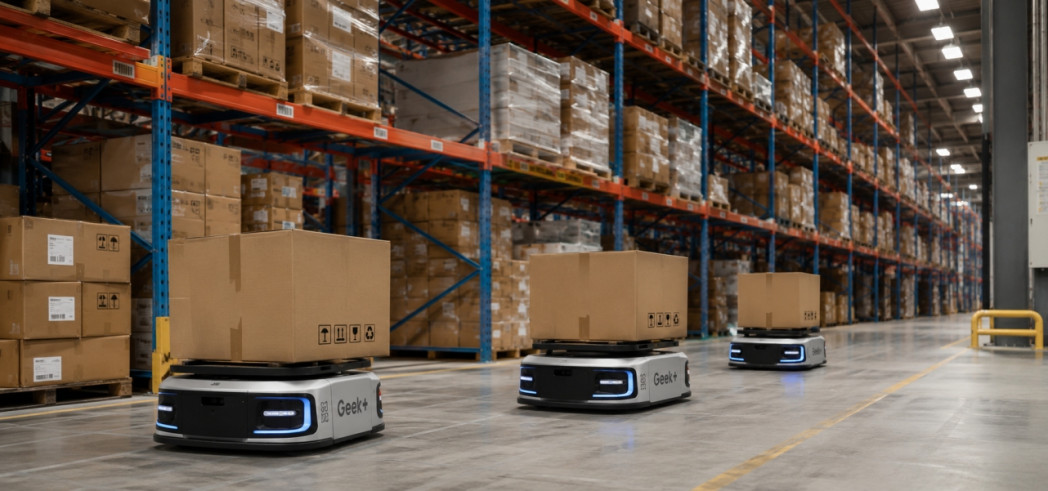
Smart Warehouses: The Future of Storage and Logistics :
Warehousing has evolved far beyond traditional storage facilities. In today's fast-paced logistics and supply chain industry, businesses require warehouses that are intelligent, automated, and capable of handling increasing customer demands with speed and accuracy. This has led to the rise of Smart Warehouses, where advanced technologies such as Artificial Intelligence (AI), the Internet of Things (IoT), robotics, and automation work together to optimise warehouse operations.
As e-commerce, manufacturing, and global trade continue to expand, smart warehouses are becoming the backbone of modern logistics by improving productivity, reducing costs, and delivering superior customer service.
What is a Smart Warehouse?
A smart warehouse is a technology-enabled storage facility that uses automation, data analytics, sensors, and connected systems to manage inventory, streamline workflows, and improve operational efficiency. Unlike conventional warehouses, smart warehouses minimise manual intervention while increasing speed, accuracy, and visibility across the supply chain.
These facilities integrate Warehouse Management Systems (WMS), robotics, AI, barcode scanning, RFID technology, and cloud-based platforms to create a highly efficient logistics environment.
Key Technologies Driving Smart Warehouses
Artificial Intelligence (AI)
AI analyses inventory patterns, predicts demand, optimises storage space, and improves order processing. It also supports intelligent decision-making by identifying operational bottlenecks and recommending process improvements.
Robotics and Automation
Autonomous Mobile Robots (AMRs), Automated Guided Vehicles (AGVs), and robotic picking systems automate repetitive tasks such as picking, packing, sorting, and pallet movement. This increases productivity while reducing human error.
Internet of Things (IoT)
IoT sensors monitor inventory levels, warehouse temperature, equipment performance, and asset movement in real time. Continuous monitoring helps improve inventory accuracy and prevents operational disruptions.
Warehouse Management System (WMS)
A modern WMS provides complete visibility into warehouse operations, including inventory tracking, order management, stock movement, and workforce productivity. It enables faster order fulfilment and efficient resource utilisation.
Benefits of Smart Warehouses
Smart warehouses offer several advantages for logistics businesses:
These benefits enable businesses to respond quickly to changing customer demands while maintaining high service standards.
Challenges
Despite their advantages, implementing smart warehouses presents several challenges:
However, long-term gains in efficiency and cost savings often outweigh these challenges.
Smart Warehouses in India
India's warehousing sector is witnessing rapid transformation due to the growth of e-commerce, organised retail, manufacturing, and third-party logistics (3PL). Government initiatives such as the National Logistics Policy and PM Gati Shakti are encouraging investments in Grade A warehouses, logistics parks, and digital infrastructure.
Major logistics companies are increasingly adopting automation, AI, and cloud-based warehouse solutions to improve operational performance and meet rising customer expectations.
Future Outlook
The future of warehousing will be driven by AI-powered analytics, robotics, autonomous vehicles, digital twins, drone-based inventory management, and predictive maintenance. Sustainable warehouse practices, including solar-powered facilities, energy-efficient lighting, and eco-friendly operations, will also become increasingly important.
As supply chains become more digital and customer-centric, smart warehouses will play a crucial role in ensuring faster deliveries, higher efficiency, and greater operational resilience.
Conclusion
Smart warehouses are transforming the future of logistics by combining automation, artificial intelligence, IoT, and advanced warehouse management systems into a single intelligent ecosystem. These technologies improve productivity, reduce operational costs, increase inventory accuracy, and enhance customer satisfaction.
Businesses investing in smart warehousing today will be better prepared to meet the growing demands of e-commerce, manufacturing, and global trade. As digital transformation accelerates, smart warehouses will remain a key pillar of modern supply chain success and sustainable logistics growth.
Customer Reviews (0 )
No record(s) Found !
 Categories