


Ask the Experts24/7 Online Support
Ask the Experts24/7 Online Support
 August 18, 2026 13:01PM
 0 Comments | Post a Comment

LOCO Posted on [ Aug 18, 2026 13:01PM ]
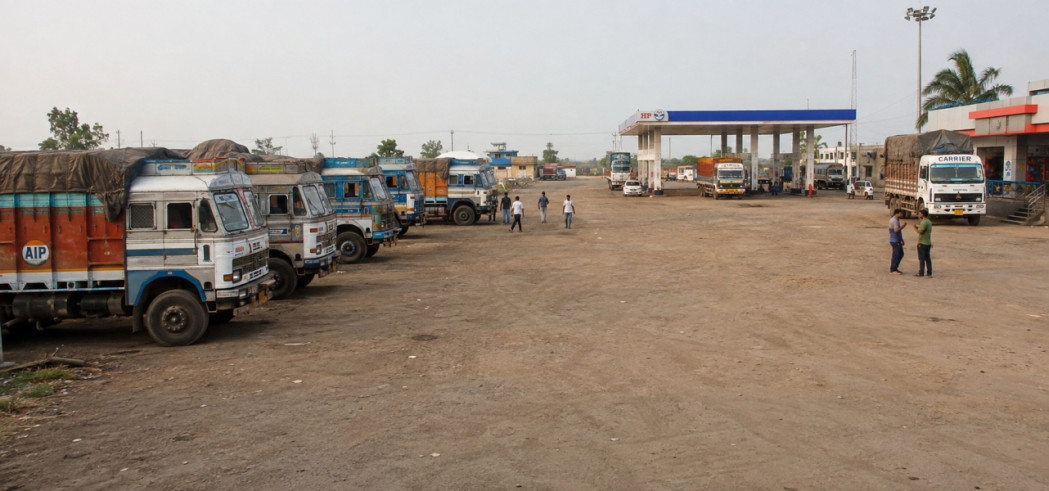
Truck Parking Infrastructure: India’s Overlooked Logistics Challenge
India's road freight network plays a critical role in connecting manufacturers, warehouses, ports, distributors, retailers, and consumers. As industrial activity, e-commerce, infrastructure development, and domestic trade continue to expand, the demand for road transportation is also increasing. However, one important part of the trucking ecosystem often receives less attention: truck parking infrastructure.
Long-distance truck drivers need safe locations to stop, rest, refuel, maintain vehicles, and manage operational delays. When suitable parking is unavailable, trucks may be forced to stop on highway shoulders, service roads, industrial areas, or other unsuitable locations. This can create safety risks, traffic congestion, security concerns, and productivity losses.
Why Truck Parking Matters
Truck parking is more than a convenience for drivers. It is an important part of an efficient freight network.
A well-designed truck parking facility can provide:
These services can improve both driver welfare and logistics efficiency.
Impact on Driver Safety
Long-distance drivers require adequate rest to maintain alertness. When drivers cannot find a safe place to stop, they may continue driving or park in unsafe locations.
Dedicated truck stops can provide secure, well-lit areas where drivers can take necessary breaks. Better parking infrastructure can therefore support safer road freight operations.
The Logistics Cost of Poor Parking
Parking shortages can create hidden logistics costs. Drivers may spend additional time searching for suitable parking, while trucks parked in congested areas can face delays.
These inefficiencies can contribute to:
For large fleets, even small delays can become significant when repeated across hundreds or thousands of journeys.
Ports and Industrial Areas Need Better Parking
Truck parking is especially important near ports, logistics parks, manufacturing clusters, warehouses, and major freight corridors. For example, container trucks may experience waiting periods because of terminal congestion, documentation, inspection, or scheduling issues. Without adequate staging areas, trucks can accumulate near port gates and surrounding roads.
Technology Can Make Parking Smarter
Digital technology can improve the utilization of available parking infrastructure.
A smart truck-parking platform could show drivers and fleet managers:
GPS and telematics can also help fleet managers plan driver rest stops according to route progress and operational schedules.
Future Truck Stops
The future truck stop could become a complete freight service hub rather than simply a parking area.
Modern facilities could combine:
How India Can Improve Truck Parking
A stronger truck parking ecosystem could be developed through cooperation between government agencies, highway authorities, logistics companies, infrastructure developers, and private operators.
Key measures include:
Conclusion
Truck parking infrastructure in India is an essential part of modern logistics but remains an overlooked challenge. As freight volumes increase, efficient road transportation will require more than highways and trucks. Drivers also need safe places to rest, while fleet operators need predictable and efficient freight movement. The future of trucking is not only about moving trucks faster—it is also about creating the infrastructure they need to stop safely and operate efficiently.
Customer Reviews (0 )
No record(s) Found !
 Categories