


Ask the Experts24/7 Online Support
Ask the Experts24/7 Online Support
India |
December 29, 2025 | 17:11 PM
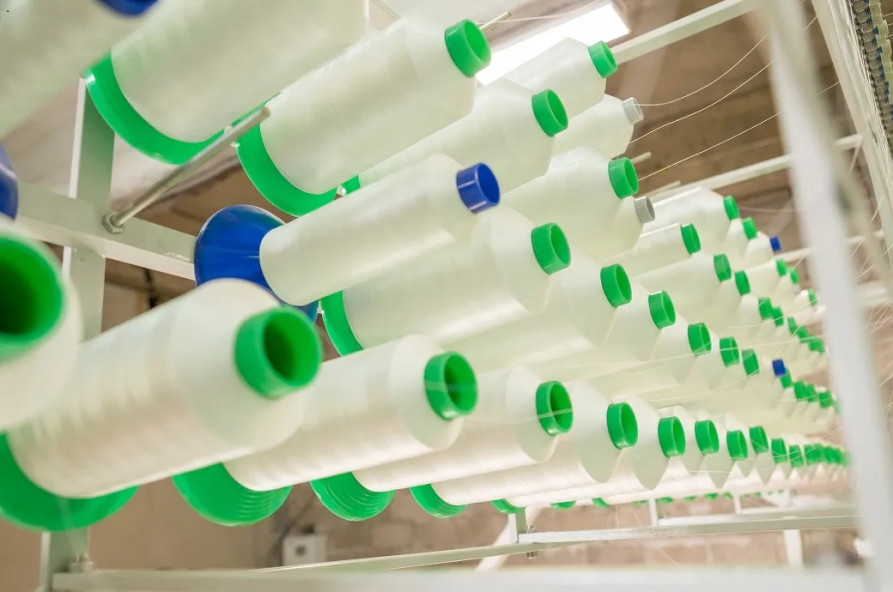
29th, December 2025 — Egypt is rapidly strengthening its position as a major textile and apparel manufacturing destination, capitalising on global supply chain realignments, its long-standing cotton heritage, and renewed government and private-sector investment. As international brands diversify sourcing beyond traditional Asian hubs, Egypt is emerging as a strategic alternative for textile and garment production.
Once globally renowned for premium cotton, Egypt’s textile sector is now undergoing a modern industrial revival, blending legacy strengths with upgraded infrastructure, foreign investment, and export-oriented policies.
One of Egypt’s biggest advantages lies in its vertically integrated textile value chain. Unlike many competing markets that depend heavily on imported raw materials, Egypt manages much of the process domestically — from cotton cultivation and spinning to weaving, dyeing, garment manufacturing and finishing.
This integration allows:
Better control over quality and timelines
Faster response to global fashion cycles
Reduced dependency on external supply shocks
Egyptian cotton, known for its long staple length and superior quality, remains a cornerstone of the industry, enabling manufacturers to produce high-value fabrics and garments for premium global markets.
Egypt’s geographical position gives it a distinct logistics advantage. Located at the intersection of Africa, Europe and Asia, and anchored by the Suez Canal — one of the world’s most critical shipping routes — the country offers shorter transit times to Europe and the Middle East compared to Asian manufacturing bases.
In an era where supply chain resilience and near-shoring are becoming priorities, Egypt’s location and trade access are increasingly attractive to global buyers seeking diversified production footprints.
Egypt’s textile and apparel exports have shown strong year-on-year growth, driven by rising demand from the United States, Europe, Africa and regional markets. Industry bodies and policymakers have outlined ambitious long-term targets aimed at significantly expanding export revenues over the coming years.
This export momentum is supported by:
Improved manufacturing capabilities
Higher capacity utilisation
Growing trust from international brands
Egypt’s textile resurgence has attracted substantial foreign direct investment, particularly from manufacturers relocating or expanding outside traditional Asian sourcing regions. New production facilities — especially in designated industrial and economic zones — are boosting capacity across spinning, weaving and garmenting segments.
These investments are contributing to:
Job creation and skills development
Technology transfer and process modernisation
Increased export-oriented production
Industrial zones linked to logistics corridors are playing a crucial role in making Egypt a competitive manufacturing base.
To support long-term growth, Egypt is developing dedicated textile cities designed to house the complete textile ecosystem under one umbrella. These hubs are planned to include:
Spinning and weaving units
Dyeing and processing facilities
Garment manufacturing clusters
Warehousing and logistics infrastructure
Such integrated clusters aim to reduce production costs, improve efficiency and enhance Egypt’s appeal as a one-stop textile sourcing destination.
While Egypt’s textile industry is on a strong growth trajectory, it continues to face competition from low-cost global producers. Industry stakeholders have highlighted the need for:
Targeted policy support
Competitive energy and utility pricing
Export incentives and financing access
Continued infrastructure upgrades
Balanced policy intervention is expected to play a key role in sustaining Egypt’s competitiveness while encouraging value-added production.
Global supply chains are undergoing structural changes driven by geopolitical risk, sustainability concerns and the need for diversified sourcing. Against this backdrop, Egypt is positioning itself as a reliable, scalable and strategically located textile manufacturing hub.
Its combination of:
Vertical integration
Strategic geography
Export momentum
Investment inflows
makes Egypt an increasingly important node in the evolving global textile and apparel supply chain.
Egypt’s renewed focus on textiles reflects a broader ambition to reclaim its status as a global manufacturing leader. As supply chains shift and buyers seek resilient alternatives, Egypt’s textile sector stands well-placed to capture new opportunities, drive exports and strengthen its industrial base in the years ahead.
Comments (0)
No record(s) Found !